
Reliance Industries plans to invest ₹1 lakh crore in compressed-biogas projects across Andhra Pradesh, Executive Director Anant Ambani announced on October 2. The company says the programme could create more than three lakh jobs and generate nearly ₹60,000 crore in state revenue over several decades. Those figures remain corporate projections; Reliance has not yet disclosed plant locations, a construction timetable or phase-wise capital commitments.
Reliance Industries has outlined a major expansion of its compressed-biogas ambitions in Andhra Pradesh, linking farm waste, rural employment and cleaner fuel. The headline numbers are substantial, but the announcement is currently a proposed investment programme rather than evidence of completed spending or operating capacity.
What Happened
Reliance Executive Director Anant Ambani said at a foundation-stone ceremony in Madanapalle on October 2 that the group plans to invest ₹1 lakh crore in compressed-biogas, or CBG, plants across Andhra Pradesh.
Reliance said the projects could create more than three lakh jobs and generate nearly ₹60,000 crore in revenue for the state over the coming decades. It also linked the programme with the Indian School of Agriculture, where Jio is expected to support multilingual virtual training for farmers.
The announcement did not specify how many plants are covered by the new investment envelope, the sites selected, the construction schedule, financing arrangements or annual production capacity. The employment and revenue numbers should therefore be read as long-range company estimates, not achieved outcomes.
Why It Matters
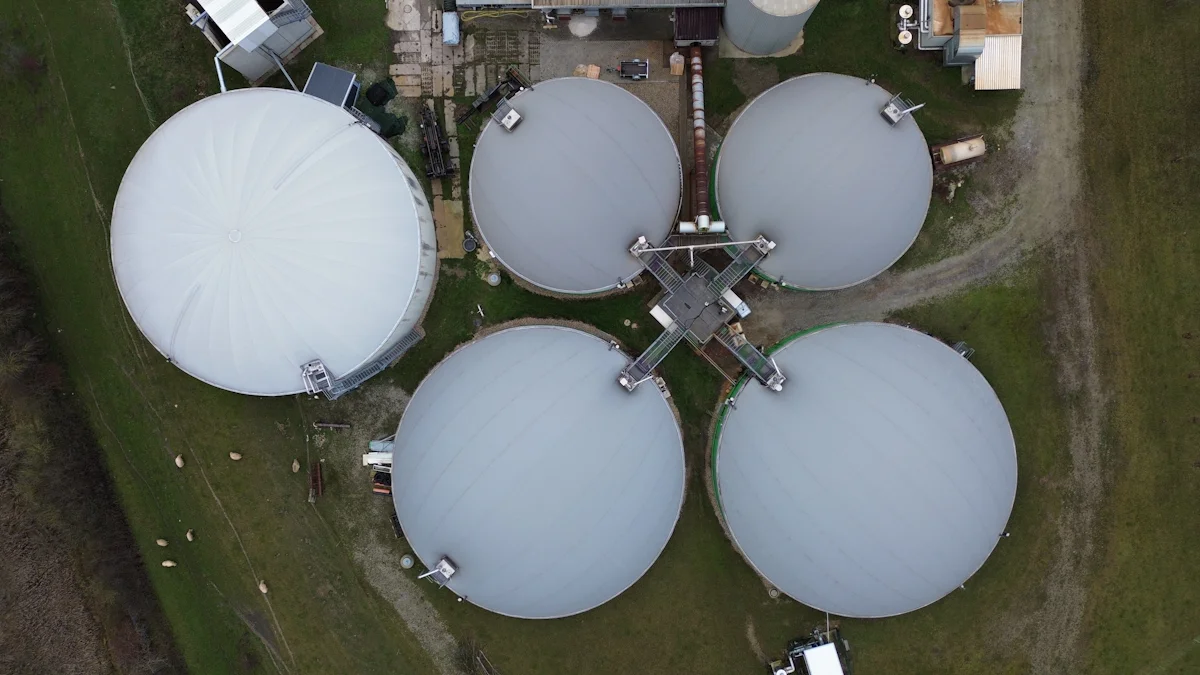
CBG converts agricultural residue, animal dung, food waste and other organic material into methane-rich fuel. At scale, the projects could create a market for farm waste while supplying gas for transport and industry and producing organic manure as a by-product.
For Andhra Pradesh, the proposal is important because it combines rural supply chains with energy infrastructure. Execution would require dependable feedstock collection, land, water, gas evacuation or offtake arrangements and local permits—not simply capital announcements.
Market Impact
No demonstrated share-price reaction can be attributed to the announcement yet. Indian equity markets were closed on October 2 for Gandhi Jayanti, and October 3 is a Saturday. Reliance shares will next have an opportunity to reflect the news when regular trading resumes.
Investors should distinguish the proposed ₹1 lakh crore programme from booked capital expenditure. Reliance has not provided a phase-wise capex table, project returns or commissioning milestones in the material reviewed for this report.
Industry Context
The latest announcement builds on an earlier Andhra Pradesh plan. In November 2024, Reliance signed an agreement to invest ₹65,000 crore in 500 CBG plants, and the company broke ground on the first plant in April 2025.
Reliance has not published a reconciliation showing whether the new ₹1 lakh crore figure replaces, expands or fully includes that earlier commitment. That distinction matters when measuring genuinely new investment.
The plan also arrives as India expands policy support for waste-to-gas infrastructure. BusinessNews1 recently covered the government’s wider push to strengthen clean-energy evacuation and storage through the Green Energy Corridor Phase III.
What To Watch Next
- A formal exchange filing or detailed Reliance project release.
- Plant locations, land allotments and environmental approvals.
- Whether the ₹1 lakh crore includes the earlier ₹65,000 crore commitment.
- Feedstock contracts, CBG offtake agreements and commissioning dates.
- Audited capital expenditure and actual direct versus indirect employment.
Frequently Asked Questions
How much does Reliance plan to invest in Andhra Pradesh CBG?
Reliance Executive Director Anant Ambani announced a proposed ₹1 lakh crore investment in compressed-biogas plants across Andhra Pradesh. The company has not yet released a plant-by-plant capital schedule, commissioning calendar or financing breakdown, so the figure should be treated as a planned programme rather than completed expenditure.
How many jobs could the Reliance CBG plan create?
Reliance says the programme could create more than three lakh jobs. The announcement did not separate direct construction and plant jobs from indirect work in feedstock collection, logistics and farm services. The estimate therefore remains a company projection that must be tested against individual projects as they are approved and built.
Is compressed biogas the same as conventional natural gas?
CBG is methane-rich fuel produced from organic material such as crop residue, animal dung and food waste. After purification and compression, it can substitute for conventional natural gas in several uses. Its economics depend on reliable waste collection, processing efficiency, transport costs and long-term buyers.
Is the ₹1 lakh crore commitment entirely new?
That is not yet clear. Reliance previously announced a ₹65,000 crore plan for 500 CBG plants in Andhra Pradesh and began its first project in 2025. The latest announcement does not explain whether ₹1 lakh crore is an expanded total, a replacement figure or additional capital beyond the earlier commitment.