
HPCL’s standalone net profit fell 9% year on year to ₹3,483 crore in the September quarter as higher crude, raw-material and tax costs squeezed marketing economics. Product sales climbed 26.2% to about ₹1.39 lakh crore, while April–September gross refining margin strengthened to $27.89 a barrel. The contrast leaves investors weighing strong refining gains against volatile crude prices, fuel-retail losses and heavier tax expense.
Hindustan Petroleum Corporation Ltd (HPCL) delivered a mixed second quarter for FY27: refinery economics improved sharply, but a more expensive crude environment, weaker fuel-retail economics and a higher tax charge pulled profit below the year-earlier level. The result gives investors an early read on the pressures facing India’s state-run oil marketing companies this quarter.
What Happened
HPCL reported standalone net profit of ₹3,483 crore for the quarter ended September 30, 2026, down 9% from ₹3,830 crore a year earlier, according to the company’s exchange filing and an independent Reuters report.
Product sales rose 26.2% to approximately ₹1.39 lakh crore. Overall expenses increased 25.9% to ₹1.33 lakh crore, raw-material costs climbed 24.3%, and tax expense more than doubled to ₹3,285 crore. HPCL’s official newsroom characterised the quarter as one of strong refining and sales performance amid the West Asia crisis.
Why It Matters
HPCL’s numbers show why headline refining gains do not automatically translate into higher profit. Its average gross refining margin for April–September jumped to $27.89 per barrel from $5.95 a year earlier, helped by inventory gains on lower-cost crude. At the same time, higher crude prices squeezed marketing margins on petrol and diesel while the tax bill rose sharply.
The combination matters beyond HPCL. As the first of the large state-run oil marketing companies to report September-quarter results, HPCL offers a reference point for upcoming earnings from Bharat Petroleum and Indian Oil. It also connects with the broader oil-price backdrop covered in BusinessNews1’s report on how OPEC+ held November output steady.
Market Impact
HPCL released the result on October 22. No full post-result trading session had occurred by the time this article was prepared, so there is no demonstrated share-price impact that can yet be attributed to the earnings. The first market reaction may focus on the profit decline, but refining margins, retail losses and the crude outlook are likely to shape how investors interpret the quarter.
Industry Context
Reuters reported that average Brent crude prices were nearly 40% higher year on year during the quarter. It also cited Elara Capital estimates that diesel retail margins for oil marketing companies were negative ₹24 per litre, versus positive ₹5 a year earlier, while petrol margins were estimated at negative ₹2, versus positive ₹9.
HPCL’s product-sales figure included ₹3,960 crore of government compensation for domestic LPG under-recoveries during April–September. That support softened part of the burden, but it does not remove the sector’s sensitivity to international crude prices, retail fuel pricing and compensation timing.
What To Watch Next
- HPCL management’s commentary on sustainable refining margins after inventory gains normalise.
- Petrol and diesel marketing margins if crude prices remain elevated.
- Further LPG compensation and the timing of government reimbursements.
- Comparable quarterly results from BPCL and Indian Oil.
- Capital spending and operating updates at the Mumbai and Visakh refineries.
FAQs
What was HPCL’s Q2 FY27 profit?
HPCL reported standalone net profit of ₹3,483 crore for the quarter ended September 30, 2026, down from ₹3,830 crore a year earlier. The 9% decline came despite much stronger refining margins and higher product sales, because raw-material costs and tax expense increased sharply.
Why did HPCL’s refining margin improve?
HPCL’s average gross refining margin for April–September 2026 rose to $27.89 per barrel from $5.95 a year earlier. The improvement benefited from inventory gains on lower-cost crude. Refining strength, however, did not fully offset pressure in fuel marketing and a much larger tax bill.
What should HPCL investors watch now?
The immediate variables are crude-oil prices, petrol and diesel marketing margins, government compensation for domestic LPG under-recoveries and management’s commentary on refinery performance. Investors should also compare BPCL and Indian Oil results when those peers report, because the same crude and retail-pricing pressures affect the sector.
Sources
- BSE: HPCL unaudited financial results, October 22, 2026
- HPCL newsroom, October 22, 2026
- Reuters: HPCL quarterly profit report, October 22, 2026
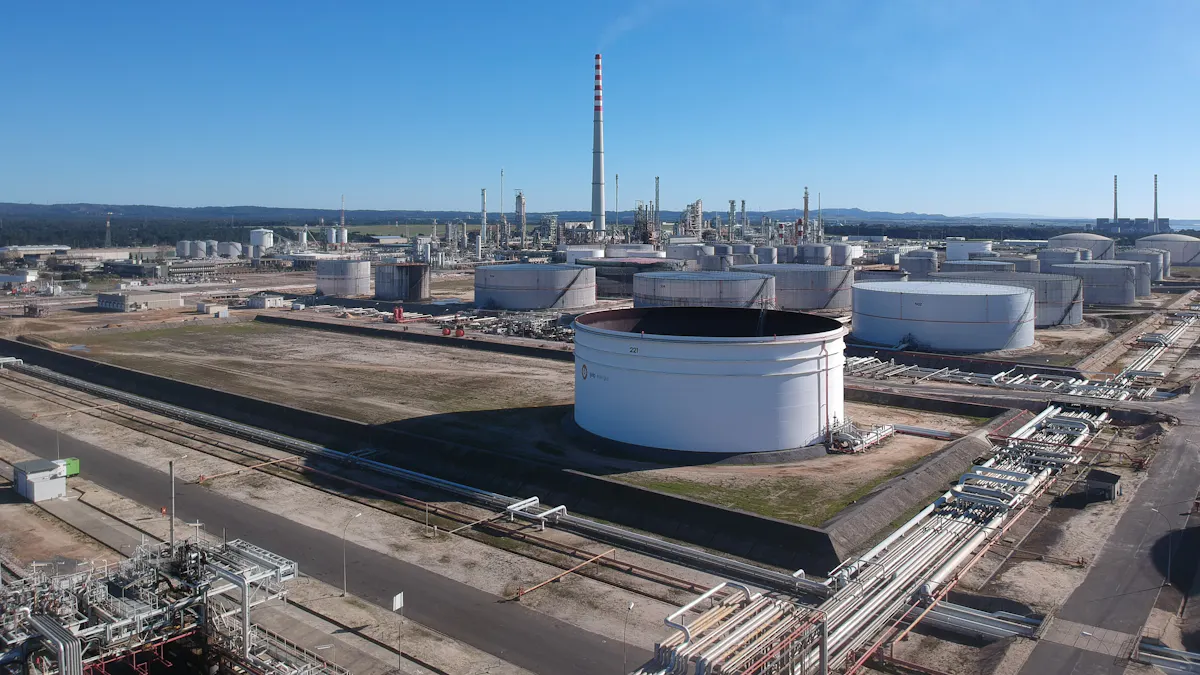
Featured image: Pedro Farto via Unsplash.