
Summary: AWL Agri Business reported a 2% year-on-year decline in consolidated net profit to ₹239 crore for the September quarter, even as revenue from operations rose 26% to ₹22,202 crore. Higher input and operating costs absorbed part of the sales growth. Edible oils remained the largest business, while Food and FMCG revenue increased 32% and quick-commerce sales expanded rapidly.
AWL Agri Business delivered strong top-line growth in the second quarter of FY2026-27, but the earnings outcome shows why volume and revenue gains do not automatically translate into faster profit growth. The company’s mix of edible oils, food products and industrial essentials faced a sharper increase in costs during the quarter.
What Happened
The company’s investor presentation reported revenue from operations of ₹22,202 crore, up 26% from a year earlier, with underlying volume growth of 14%. Consolidated profit after tax was ₹239 crore, down 2% from ₹245 crore, while profit before tax rose 4% to ₹344 crore.
EBITDA excluding other income increased 11% to ₹623 crore. Gross profit rose 11% to ₹2,138 crore, slower than revenue growth. Reuters reported that total expenses increased 27.5% and material costs rose 25.8%, illustrating the pressure behind the muted bottom-line performance.
Why It Matters
AWL is a major processor and seller of edible oils and packaged foods. Its results offer a read-through on household demand, agricultural commodity costs and the ability of consumer-food businesses to protect margins when input prices change.
The quarter also highlights the company’s effort to diversify beyond oils. Food and FMCG revenue rose 32% to ₹2,216 crore, although the segment’s EBITDA declined 7% to ₹71 crore and its margin was about 3%. Industry Essentials revenue climbed 39% to ₹2,918 crore.
Market Impact
AWL shares closed 1.8% higher at ₹175.91 on October 27, according to Reuters, but that move occurred before the results were released. It therefore should not be described as a market reaction to the earnings. At publication, there was no demonstrated post-results share-price impact; the next regular session will provide the first such evidence.
Industry Context
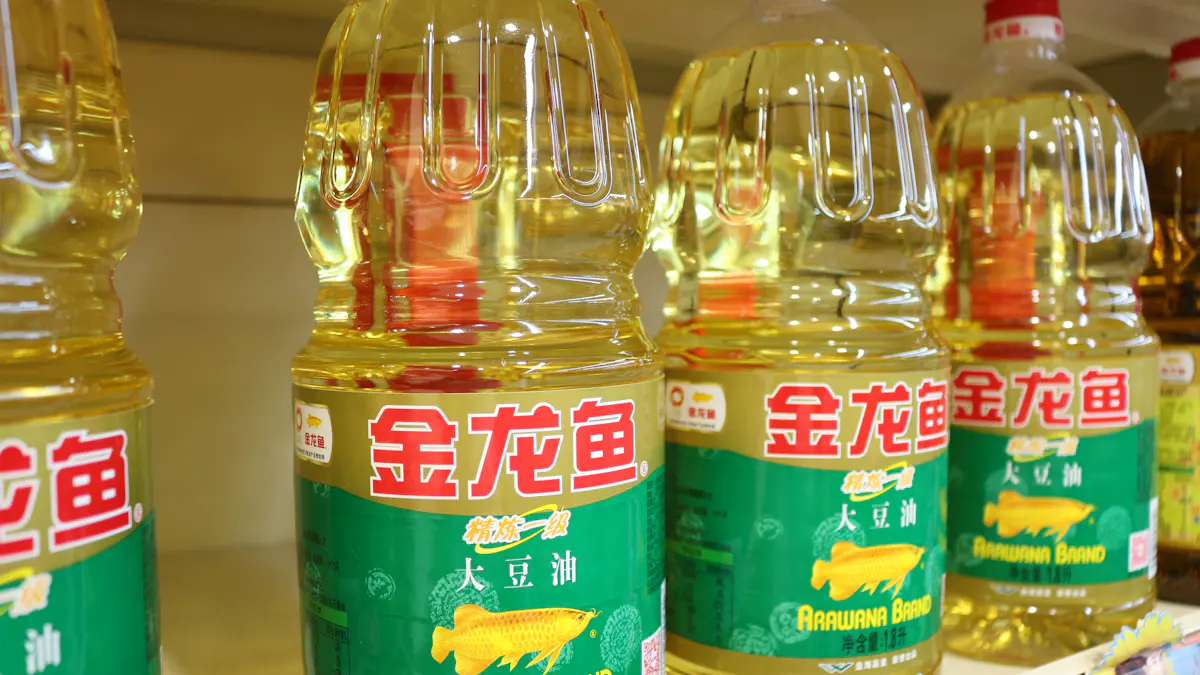
Edible oils generated ₹17,067 crore of revenue in the quarter, up 23%, with volume growth of 5%. The lower volume growth relative to revenue shows how pricing and product mix affected the reported top line. Food and FMCG delivered faster sales growth but continued to operate at a much smaller scale and lower margin.
Alternate channels are becoming more important. AWL said quick-commerce revenue grew 54% and volume increased 44%, with quick commerce contributing 35% of alternate-channel sales. That channel can accelerate consumer reach, but investors should watch the cost of fulfilment and promotions.
For comparison with another packaged-food company’s quarterly performance, see BusinessNews1’s report on Tata Consumer’s Q2 results.
What To Watch Next
- Whether edible-oil volume growth accelerates without sacrificing margin.
- The path of raw-material costs and their effect on gross profit.
- Food and FMCG margins as sales scale across retail and digital channels.
- Management commentary on pricing, working capital and cash generation.
Frequently Asked Questions
What was AWL Agri Business’s Q2 profit?
Consolidated profit after tax was about ₹239 crore for the quarter ended September 30, 2026, compared with roughly ₹245 crore a year earlier. That represents a 2% decline. Profit before tax rose 4%, showing that tax and below-line items also affected the final year-on-year comparison.
How fast did AWL Agri’s revenue grow?
Revenue from operations increased 26% year on year to ₹22,202 crore, according to the company’s presentation. Underlying volume growth was 14%. The difference indicates that pricing and mix contributed materially to reported sales growth, especially in businesses linked to agricultural commodity prices.
Which AWL business grew fastest?
Among the three reported segments, Industry Essentials recorded the fastest revenue growth at 39%, reaching ₹2,918 crore. Food and FMCG revenue rose 32% to ₹2,216 crore, while Edible Oils increased 23% to ₹17,067 crore and remained by far the company’s largest segment.
Did AWL shares rise because of the results?
That cannot be concluded from the available data. Reuters reported a 1.8% rise to ₹175.91 on October 27, but the market closed before the results were published. The first post-results session is needed to observe any actual reaction, and broader market moves must also be considered.