
Adani Energy Solutions reported a sharp rise in September-quarter profit as revenue grew across transmission and smart metering, though a large deferred-tax gain materially supported the bottom line. Consolidated revenue from operations increased nearly 53% to ₹10,076 crore, while profit reached ₹1,323 crore. The company had installed 14.8 million smart meters by quarter-end and retained an implementation pipeline of 24.6 million meters.
Adani Energy Solutions disclosed its second-quarter FY2026-27 results on October 22, 2026. The quarter combined rapid operating growth in power transmission and smart metering with an unusually large tax benefit, so the headline profit increase needs careful interpretation.
What Happened
Consolidated net profit for the quarter ended September 30 rose to ₹1,323 crore from ₹534 crore a year earlier. Profit before tax more than doubled to ₹1,767 crore. Revenue from operations climbed nearly 53% to ₹10,076 crore, while expenses increased by a similar rate to ₹8,756 crore.
Transmission revenue rose 51.7% and smart-meter revenue more than doubled. The company said it had installed 14.8 million smart meters cumulatively and had a further 24.6 million meters in its implementation pipeline at quarter-end.
A ₹1,581 crore deferred-tax gain, compared with a ₹101 crore tax expense a year earlier, significantly lifted reported net profit. Regulatory deferral-account balances also contributed ₹284 crore of income.
Why It Matters
The results show that Adani Energy Solutions is scaling two capital-intensive growth engines at once: regulated transmission assets and smart-meter deployment. Revenue growth was broad, but the tax gain means the headline increase in net profit overstates the improvement attributable to ordinary operations. Profit before tax offers a cleaner view of underlying momentum.
Market Impact
The results were released after the regular market session. No demonstrated post-results share-price impact was therefore available at publication. Adani Energy Solutions closed the day around ₹1,324 after trading between roughly ₹1,324 and ₹1,380, but that move occurred before the filing and cannot be treated as a reaction to the numbers.
Industry Context
India is investing in transmission capacity and digital metering as electricity demand and renewable-power integration increase the need for a more responsive grid. The build-out creates multi-year execution opportunities, but returns depend on project commissioning, meter installation and regulatory treatment. For wider demand context, see BusinessNews1’s report on India’s coal supply and power demand.
What To Watch Next
- The pace at which the 24.6-million-meter pipeline converts into installed and revenue-generating assets.
- Transmission project commissioning and asset availability.
- Cash flow and working-capital requirements as smart-meter deployment scales.
- Whether profit growth remains strong without another large tax benefit.
FAQs
What was Adani Energy Solutions’ Q2 profit?
Adani Energy Solutions reported consolidated net profit of ₹1,323 crore for the quarter ended September 30, 2026, compared with ₹534 crore a year earlier. The increase was supported by higher transmission and smart-meter revenue as well as a substantial deferred-tax gain during the quarter.
How much did revenue grow?
Consolidated revenue from operations rose nearly 53% year on year to ₹10,076 crore. Transmission revenue increased 51.7%, while revenue from smart metering more than doubled. Total expenses also rose more than 53%, reflecting the larger operating scale and continued project execution.
Why is the deferred-tax gain important?
The company recorded a deferred-tax gain of ₹1,581 crore versus a tax expense of ₹101 crore a year earlier. Because that swing materially boosted net profit, investors should also examine profit before tax, operating earnings and cash flow when judging the underlying improvement.
How large is the smart-meter pipeline?
Adani Energy Solutions said it had installed 14.8 million smart meters cumulatively by September 30, 2026. Its implementation pipeline stood at 24.6 million meters. Future revenue will depend on the installation schedule, customer acceptance, operational performance and payment terms across these projects.
Sources
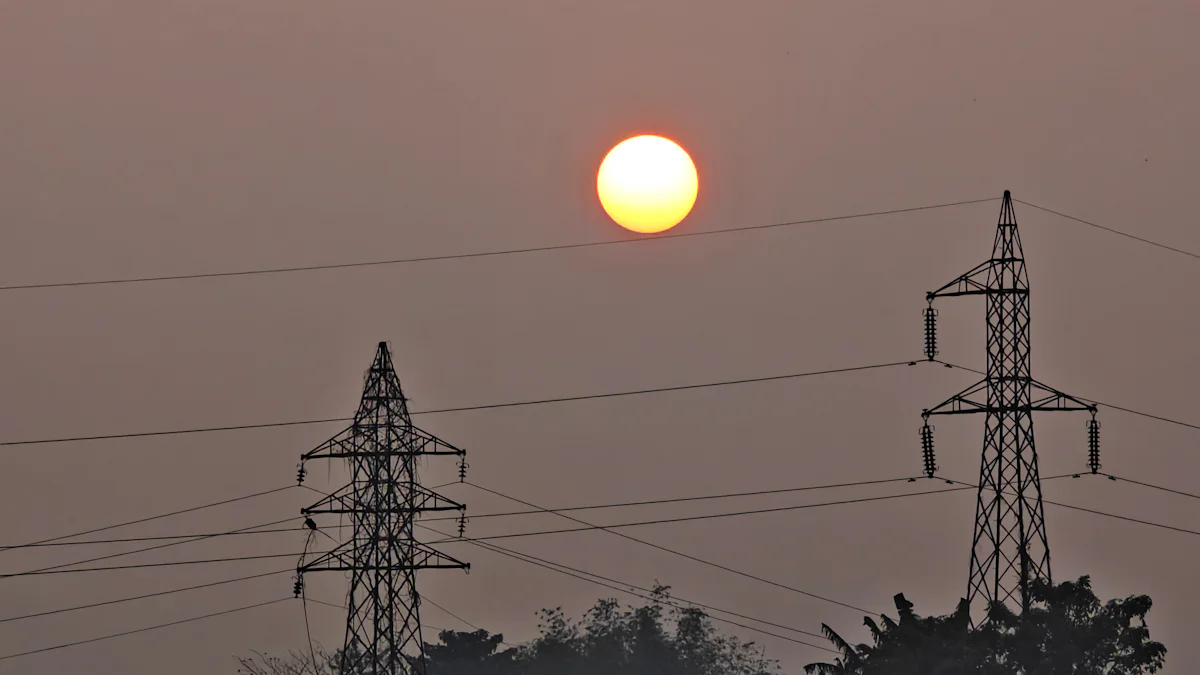
Featured image: Debabrata Hazra/Unsplash.