

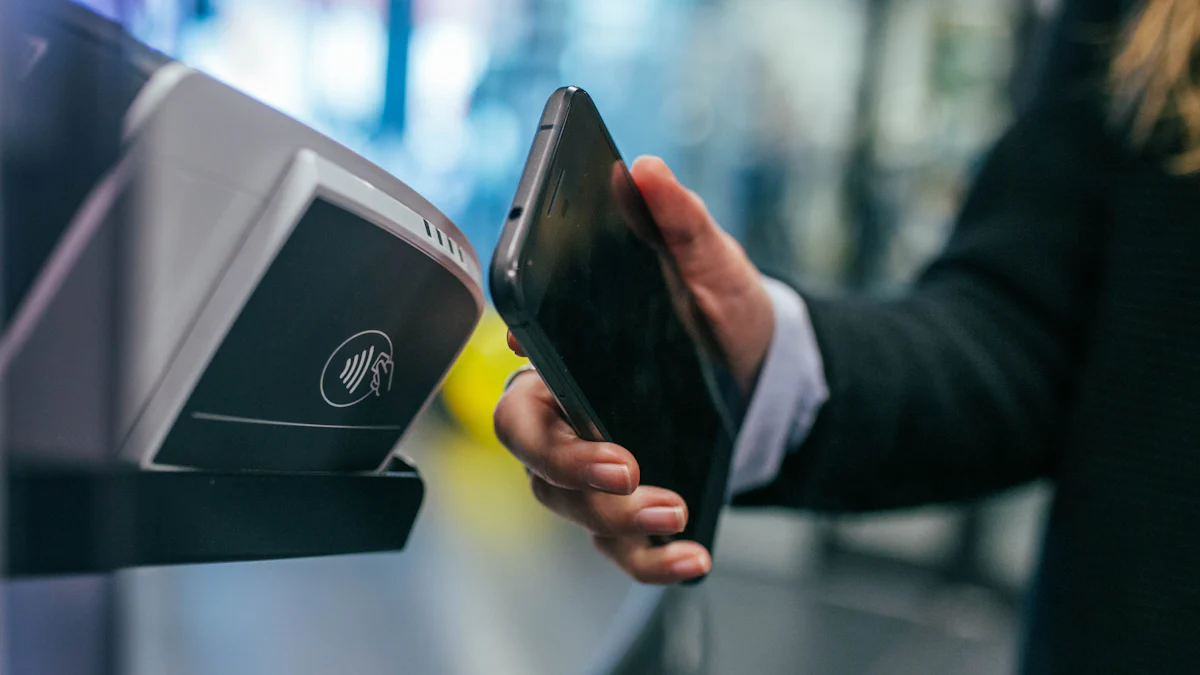
Apple Pay has launched in India through Axis Bank, initially supporting eligible Visa and Mastercard credit cards. Users can add supported cards to Apple Wallet and make contactless payments in stores, apps and websites using Apple devices. RuPay cards are not included at launch. The rollout gives Apple a foothold in India’s fast-growing payments market, where UPI remains the dominant digital payment method.
Apple’s mobile wallet has entered India through an initial partnership with Axis Bank. The first phase is narrower than a full payments-platform rollout: it is built around eligible Axis Bank credit cards rather than UPI accounts, and card-network support is limited to Visa and Mastercard.
What Happened
Apple Pay launched in India on September 30, 2026. Reuters reported that Axis Bank is the first Indian lender to offer the service, initially for eligible credit cards on the Visa and Mastercard networks. RuPay cards are not part of the launch.
Customers can add an eligible card through Apple Wallet or Axis Bank’s mobile app. Apple’s India product page says users can pay at contactless terminals, inside supported apps and on participating websites using an iPhone, Apple Watch or iPad.
Why It Matters
The launch gives Apple a direct consumer-payments presence in one of the world’s largest digital markets. It also gives Axis Bank a differentiation point for selected cardholders, particularly users already invested in Apple devices.
The initial scope remains important. Apple Pay is a card wallet, not a substitute for every UPI use case. India’s payment habits are already shaped by interoperable bank-to-bank transfers, QR acceptance and low-friction mobile apps. Apple therefore needs broader bank, card-network and merchant support to move beyond a premium-device niche.
Market Impact
No demonstrated share-price movement attributable specifically to the Apple Pay launch was identified before publication. Axis Bank is listed in India and Apple trades in the United States, but the companies did not disclose transaction targets, revenue estimates or financial guidance tied to the rollout.
The commercial effect will depend on card activation, contactless usage, merchant acceptance and whether more issuers join. Those indicators are more useful than inferring a valuation impact from the launch announcement alone.
Industry Context
Reuters cited an IMF assessment that UPI accounted for 84% of India’s digital-payment volume. Apple Pay enters that environment as a tokenised card-payment option. Apple says each purchase uses a device-specific number rather than exposing the customer’s actual card number to the merchant, with payments authorised through Face ID, Touch ID or a passcode.
The launch also arrives as India’s payment ecosystem continues to evolve. BusinessNews1’s earlier analysis of UPI merchant charges and MDR explains a separate policy issue affecting merchant-payment economics. Apple Pay’s launch terms should not be conflated with those UPI rules.
What To Watch Next
- Additional Indian banks and card issuers joining Apple Pay.
- Whether support expands to RuPay or other domestic payment rails.
- Adoption across NFC-enabled retail terminals and online checkouts.
- Axis Bank disclosures on card activation and contactless spending.
- Any future Apple Pay integration with UPI-based payment journeys.
FAQs
Which cards work with Apple Pay in India?
At launch, Apple Pay in India supports eligible Axis Bank credit cards issued on the Visa and Mastercard networks. RuPay cards are not supported initially. Customers should check eligibility in Apple Wallet or the Axis Bank mobile app because availability can depend on the specific card and device.
How do users set up Apple Pay?
Open Apple Wallet on a compatible iPhone, tap the plus button, scan or enter the eligible card and follow the bank’s verification steps. Axis Bank also allows customers to begin through its mobile app. Once activated, the card can be used at compatible contactless terminals and participating online checkouts.
Does Apple Pay charge a fee?
Apple says it does not charge users a fee for purchases made with Apple Pay. Normal card charges, foreign-exchange fees or other issuer terms may still apply. Apple Pay uses device-specific tokenisation and requires Face ID, Touch ID or a passcode rather than sharing the actual card number with merchants.
Sources
- Apple India: Apple Pay product and security information — accessed October 1, 2026
- Reuters: Apple Pay launches in India with Axis Bank — September 30, 2026
- The Indian Express: launch availability and setup — September 30, 2026